How to Trade Meme Coins in 2026 Without Blowing Up Your Account
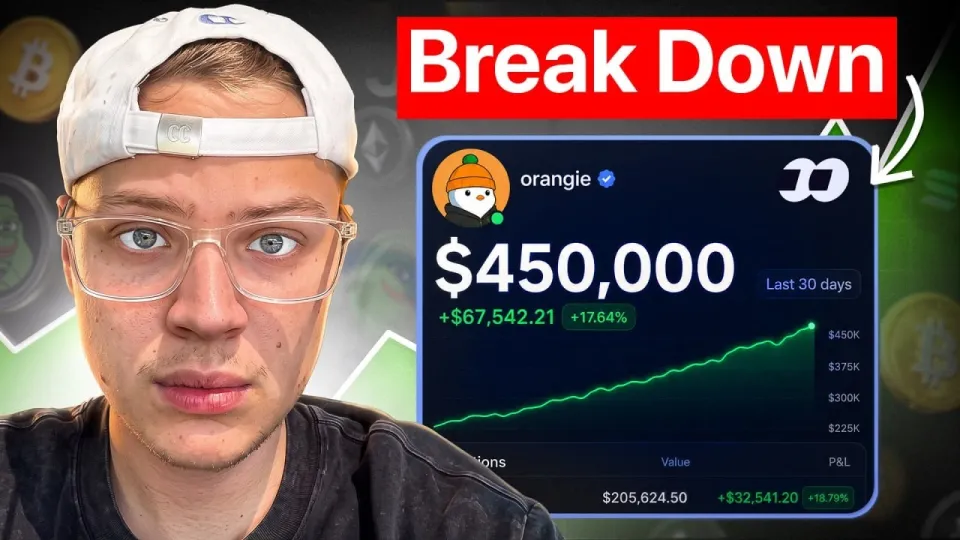
Video: How I Made $450,000 Trading Memecoins in 30 Days
Need articles like this for your video? They help promote it on YouTube and Google — order them in the Telegram bot @sat_sit_bot. It writes articles around your video, embeds the video and publishes them on popular niche websites (no ads). Your first 50 articles are free.
· based on the channel Orangie Web3
Key takeaways
- Meme coins are highly volatile tokens driven by community sentiment, often on Solana.
- A trader reportedly turned a small stake into $450,000 in 30 days, but such results are outliers.
- Most meme coin traders lose money; risk management is crucial.
- Tools like FOMO and communities like Kaizen Group provide signals and execution speed.
- Understanding liquidity, sniping, and exit strategies separates winners from losers.
Meme coins are cryptocurrencies inspired by internet memes, often characterized by extreme volatility and community-driven hype. Trading them profitably requires understanding their unique dynamics, managing risk aggressively, and accepting that most attempts will fail. The promise of turning a small stake into life-changing money is real but rare—as illustrated by a recent video from Orangie Web3, where a trader claims to have made $450,000 in 30 days. For those looking to learn the ropes, resources like the Kaizen Group (checkout link) offer structured guidance.
What Makes Meme Coins Different from Other Cryptocurrencies
Meme coins derive their value primarily from social momentum rather than underlying technology or cash flow. Unlike Bitcoin or Ethereum, which have established use cases and institutional adoption, meme coins like Dogecoin, Shiba Inu, or newer Solana-based tokens (e.g., Chill Guy, Jimothy) rely on viral marketing and community enthusiasm. This makes them susceptible to pump-and-dump schemes and extreme price swings. Liquidity is often thin, meaning large orders can cause significant slippage. Traders must monitor social media trends, on-chain activity, and holder distribution to gauge potential. The low barrier to entry—anyone can create a token—means thousands of new coins launch daily, but only a tiny fraction survive. Successful trading requires quick decision-making and a tolerance for high-risk scenarios.
A Realistic Look at the $450K in 30 Days Claim
While the headline figure is eye-catching, it's essential to understand the context and replicability. The trader in the Orangie Web3 video likely employed high-risk strategies, including early entries on low-cap coins, aggressive position sizing, and possibly insider knowledge from private groups. Such results are outliers and not typical. Many viewers in the comments shared their own experiences: some lost 90% of their initial investment before hitting a 3x on a coin like AMC, while others emphasized the importance of learning from losses. The video also highlights the role of platforms like FOMO (accessible via fomo.family/r/orangie) that provide fast execution and community signals. However, relying solely on calls from others can lead to losses; developing your own analysis is crucial. The key takeaway is that while massive gains are possible, they come with equally massive risks, and survivorship bias often skews perception.
Essential Risk Management for Meme Coin Trading
Risk management is the difference between a lucky streak and long-term survival in meme coin trading. Here are core principles:
- Position sizing: Never risk more than a small percentage (e.g., 1-5%) of your portfolio on a single trade. This ensures that a string of losses doesn't wipe you out.
- Stop-losses: Set predetermined exit points to limit downside. Given the volatility, stops should be wider than in traditional markets but still defined.
- Take profits: Meme coins can retrace sharply; locking in gains on the way up is wise. Consider scaling out at multiple targets.
- Diversification: Spreading capital across several coins reduces the impact of any single failure, but beware of over-diversifying into low-quality projects.
- Emotional control: FOMO (fear of missing out) and revenge trading are common pitfalls. Stick to a plan and avoid impulsive decisions.
How to Identify Promising Meme Coins Early
Finding the next big meme coin before the crowd requires a mix of research and timing. Start by monitoring social media platforms like X (Twitter), Telegram, and Discord for emerging trends. Tools that track new token launches on Solana (e.g., Birdeye, DexScreener) can help you spot early activity. Look for coins with growing holder counts, increasing liquidity, and organic community engagement—not just paid promotions. Check the contract for red flags like mint functions or high developer holdings. Narrative is key: coins tied to current events, memes, or influential figures often gain traction. However, early entry is risky; many new coins are scams or fail quickly. A common strategy is to wait for a initial pump and dip, then enter if the project shows resilience. Joining communities like Orangie's Discord (discord.gg/memecoins) can provide insights, but always do your own due diligence.
The Role of Tools and Communities in Meme Coin Trading
Platforms like FOMO streamline the trading process by aggregating signals and enabling quick buys. They can be particularly useful for beginners who lack the technical setup for direct on-chain trading. However, these tools are not magic bullets; they require active learning and discernment. Communities such as the Kaizen Group offer paid access to experienced traders' calls, which can be valuable but also create dependency. The comment section of the Orangie video reveals a divide: some viewers appreciate the fast-paced explanations and have become profitable, while others find it too rapid or note that top traders often snipe coins before sharing. This underscores the importance of developing independent analysis skills. Use tools and communities as supplements, not replacements, for your own research.
Common Pitfalls and How to Avoid Them
Many beginners fall into predictable traps. First, chasing pumps: buying after a coin has already surged often leads to buying the top. Second, ignoring liquidity: low-liquidity coins can be impossible to sell during a downturn. Third, falling for scams: fake tokens, rug pulls, and phishing links are rampant. Always verify contract addresses and use trusted platforms. Fourth, over-leveraging: some traders use leverage, which magnifies losses. Finally, emotional trading: letting fear or greed drive decisions instead of a plan. To avoid these, educate yourself continuously, start with small amounts, and treat meme coin trading as high-risk speculation. The viewers' comments reflect these struggles—some lost most of their capital before learning, while others emphasized the need for slower, clearer explanations.
Useful Links
- Kaizen Group (bonus access): https://whop.com/checkout/plan_GTFkEFh0JFpU8?a=orangie
- FOMO trading platform: https://fomo.family/r/orangie
- Orangie's Discord: https://discord.gg/memecoins
- Orangie's Instagram: https://www.instagram.com/orangieyt/
Final Thoughts
Meme coin trading offers the allure of quick wealth but demands respect for its risks. The $450,000 in 30 days story is an outlier, not a benchmark; most traders experience losses before (and if) they find success. Focus on risk management, continuous learning, and independent analysis. Tools and communities can help, but they are not substitutes for discipline. For a deeper dive into the strategies discussed, check out the Orangie Web3 channel, and consider joining the Kaizen Group via the checkout link to access advanced resources. Remember, only invest what you can afford to lose.
Source: How I Made $450,000 Trading Memecoins in 30 Days · Markdown version
Questions & answers
How realistic is it to make $450,000 in 30 days trading meme coins?
It's extremely rare and typically involves high-risk strategies, significant starting capital, and favorable market conditions. Most traders do not achieve such returns, and many lose money. The case is an outlier, not a realistic expectation for beginners.
What are the biggest risks with meme coins?
Extreme volatility, low liquidity, scams (rug pulls), and market manipulation are major risks. Prices can drop to zero quickly, and selling during a downturn may be difficult. Always use risk management and never invest more than you can afford to lose.
Do I need to join a paid group to succeed in meme coin trading?
Not necessarily. While paid groups can provide signals and education, many successful traders learn through free resources and independent research. Paid groups can be helpful but also create dependency; always verify information and develop your own strategy.
How can I start learning about meme coin trading without losing too much money?
Start with small amounts you're willing to lose, focus on education (YouTube, articles, free communities), and practice with paper trading or tiny positions. Learn to analyze token contracts, liquidity, and social trends. Avoid rushing into large trades until you understand the dynamics.